News
of the Academy

06
February
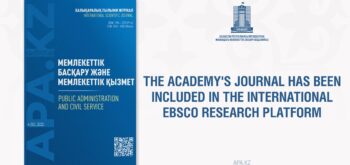
The Academy’s journal Public Administration and Civil Service has been included in the international research platform EBSCO Research, one of the world’s leading providers of scholarly databases, electronic journals, and library technologies.

EBSCO Information Services is an international company with a long history of providing access to trusted academic content for universities, research centers, government organizations, healthcare institutions, and public libraries worldwide. The EBSCO platform is widely used for academic research, education, and informed decision-making.

The inclusion of the journal in EBSCO confirms its compliance with international standards for the quality of scholarly publications, editorial policy, and transparency of the peer-review process. This significantly expands international access to research in the fields of public administration and civil service, enhances the journal’s visibility, and contributes to the growth of its academic impact.

This achievement has been made possible through the systematic efforts of the editorial team, authors, and reviewers aimed at developing the journal and integrating it into the global academic community.

Journal page on the EBSCO Research platform: https://research.ebsco.com/c/hd6kmd/search/advanced/publications/N7DJ?selectedDb=pohjnh
Official journal website:
https://journal.apa.kz/

View all
03
February
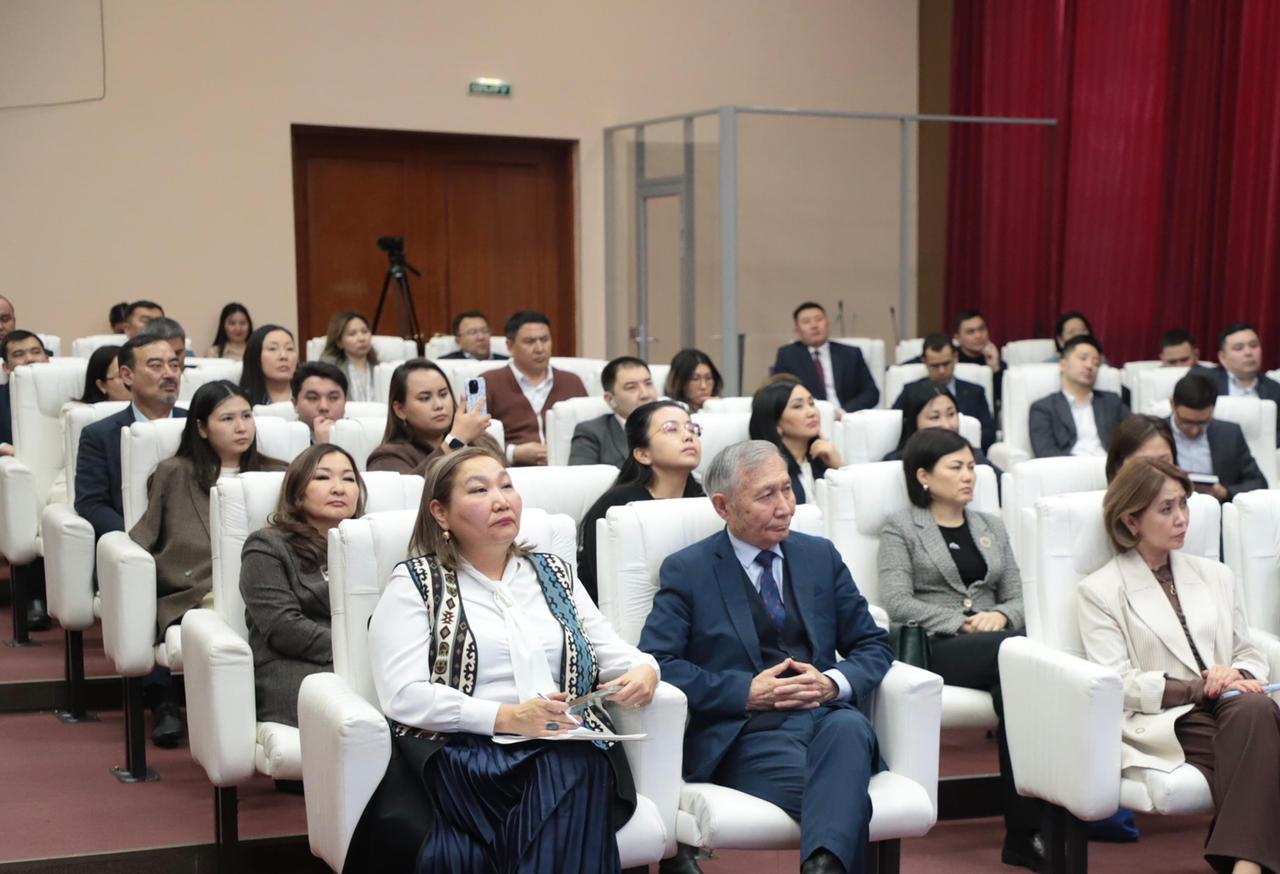
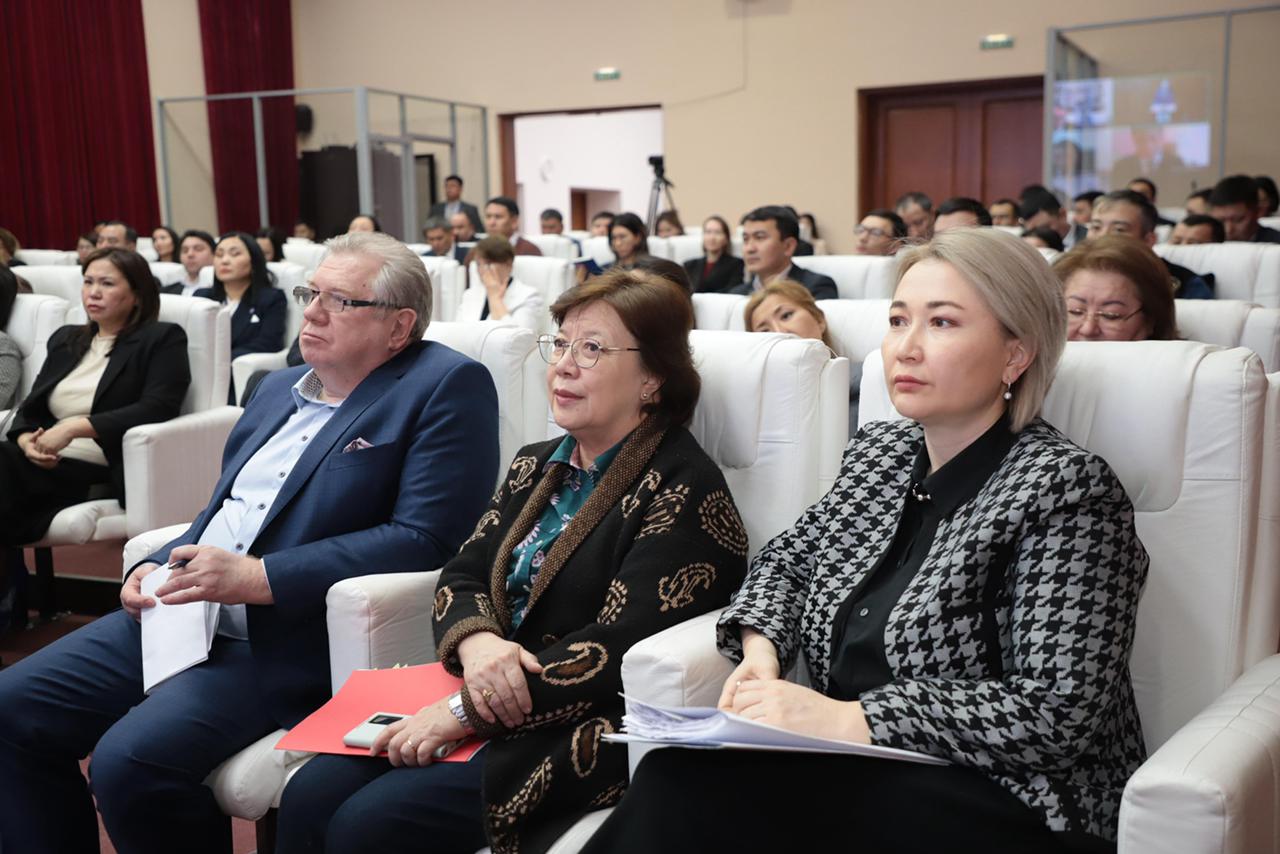
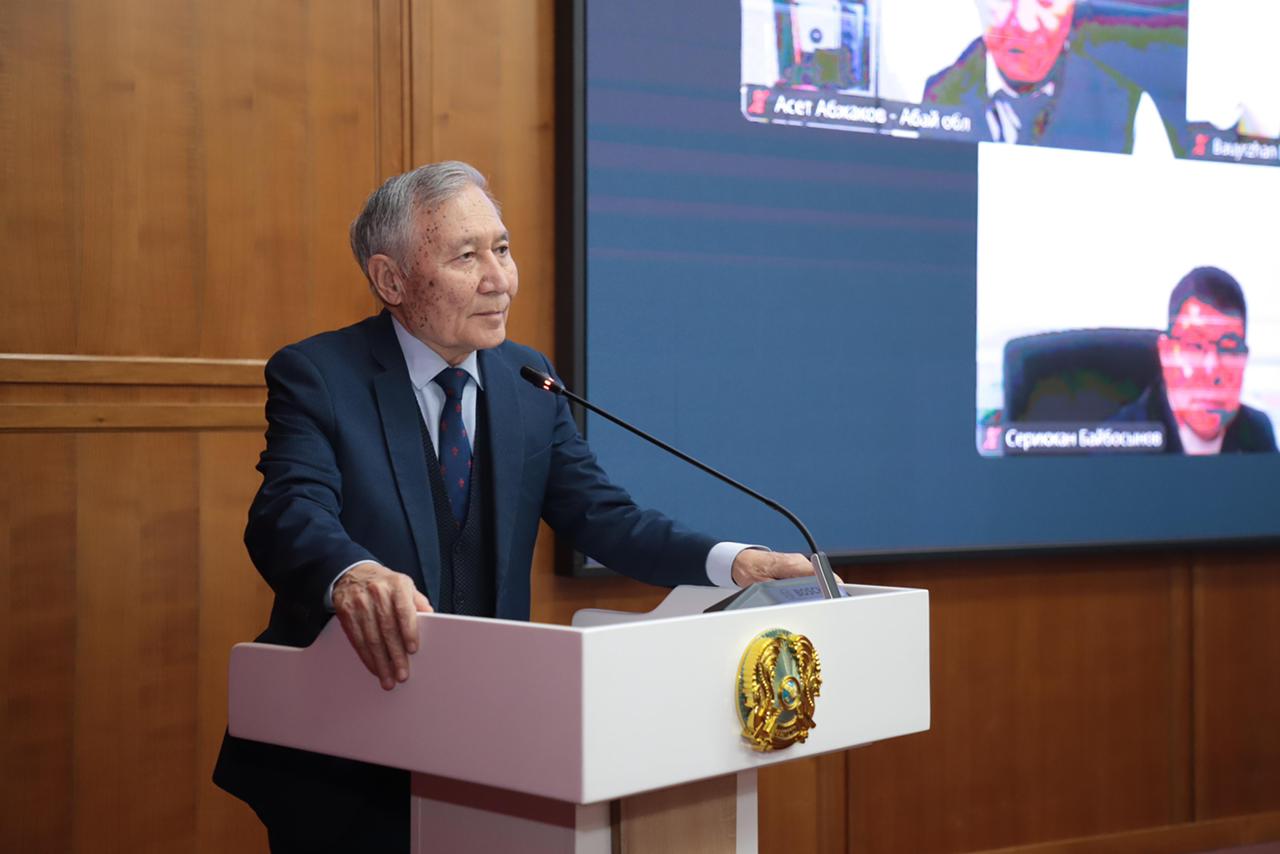
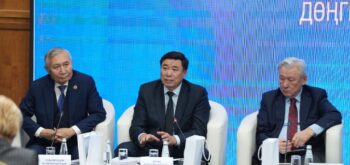
Draft of the New Constitution Discussed at the Academy of Public Administration under the President of Kazakhstan

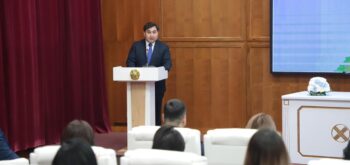
Today, the Academy of Public Administration under the President of the Republic of Kazakhstan hosted a discussion on the draft of the country’s new Constitution. The event was attended by the Chairman of the Agency for Civil Service Affairs, Darkhan Zhazykbay.

The discussion also brought together faculty members of the Academy of Public Administration, representatives of the expert community, as well as scholars and members of academic circles.

The Chairman of the Agency noted that the draft of the new Constitution reflects the country’s historical and cultural values. In addition, the document emphasizes the value-based principles of “Fair Kazakhstan,” a “Listening State,” “Adal Azamat” (a person of integrity), and “Law and Order.”

“In the updated draft of the Basic Law, it is established for the first time that the Republic of Kazakhstan recognizes the development of human capital, education, science, and innovation as a strategic direction of state activity. This is one of the priorities for the future development of our country,” Darkhan Zhazykbay emphasized.

During the meeting, presentations were delivered by Doctor of Economic Sciences, Professor of the Academy Altai Zeynelgabdin; Candidate of Legal Sciences, Professor, Director of the Academy’s Almaty Region branch Kazybek Dautaliyev; and other experts from the Academy of Public Administration.

At the end of the event, participants emphasized that the new draft constitution is an important step toward strengthening the rule of law.


View all
23
January
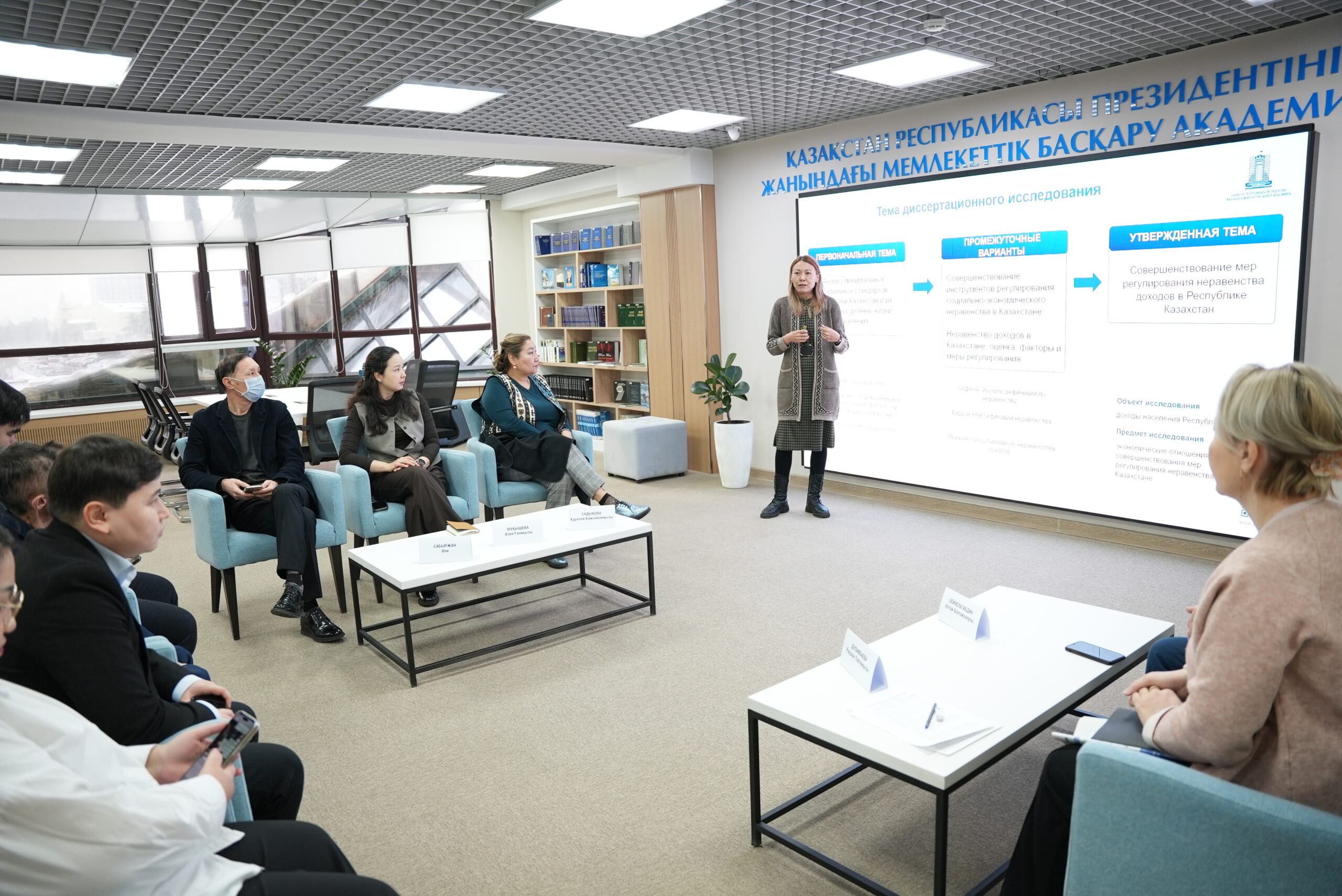
Scientific and Practical Seminar Held at the “Economist+” Platform

On January 23, a scientific and practical seminar was held at the “Economist +” platform. The event focused on discussing the key directions and structure of scientific research and was organized within the framework of doctoral students’ pedagogical practice. The seminar served as an important professional platform integrating educational and research processes.

The primary objective of the seminar was to develop scientific communication among master’s and doctoral students, enhance skills in public presentation of research findings, and foster a sustainable networking environment.

During the seminar, six priority research areas reflecting current trends in science and public policy were presented and discussed:

  • public administration and institutional reforms;
  • economics and finance;
  • digital transformation and GovTech;
  • human resources, HR policy, and civil service personnel development;
  • regional governance and spatial development;
  • social sector development.

Doctoral students of the Institute participated as mentors for master’s students, providing practical guidance on research design, data analysis, and the development of coherent research frameworks.

The seminar served as a platform for professional dialogue and exchange of ideas in the fields of science, economics, and public administration, strengthening academic cooperation and giving new momentum to future research.

Overall, the seminar created a space for professional dialogue and the exchange of ideas in the fields of science, economics, and public administration. It contributed to strengthening academic cooperation and provided new momentum for future research initiatives.

View all
22
January
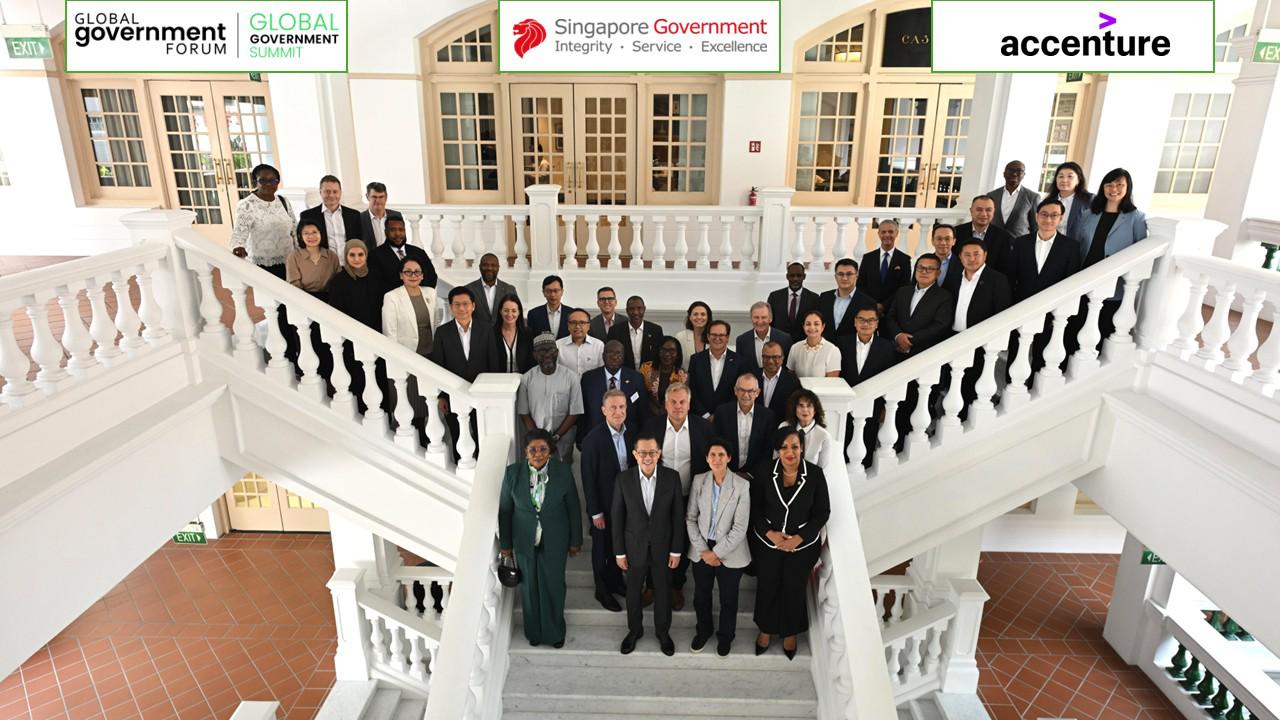
Rector of the Academy participated in the Global Government Summit 2026 and Leaders Forum in Singapore

On 21–22 January 2026, the Global Government Summit was held in Singapore. The Summit is one of the leading international platforms bringing together representatives of government institutions and international organizations to discuss strategic issues in modern public administration, human capital development, and the implementation of innovative solutions in the public sector.

One of the Summit’s key events was the Leaders Forum, which took place on 20 January 2026. The Forum agenda covered topics such as the practical application of artificial intelligence, the exchange of global innovations in government, building trust in emerging technologies, and expanding citizen engagement in the delivery of public services. Discussions also focused on improving the quality of government services through data-driven approaches.

The Rector of the Academy took part in the workshop “Talk of Transformation: How to create a common language for Digital Government,” where experts and practitioners explored key aspects of digital transformation in the public sector. Particular attention was given to the importance of interdisciplinary collaboration within government institutions to ensure that technologies align with the real needs and priorities of public servants.

In addition to the Summit program, the visit included a study tour, enabling participants to exchange experience and explore advanced governance practices in Singapore. As part of the tour, participants visited Singapore’s Government Technology Agency (GovTech). GovTech is a key institution driving the Smart Nation initiative and the digital transformation of the public sector.

GovTech is responsible for developing and delivering Singapore’s digital government services, as well as building the infrastructure that supports national digital initiatives through modern information and communication technologies, networks, and data analytics.


The delegation also visited Accenture in Singapore, a major professional services company providing expertise in strategy, consulting, technology, and operations.

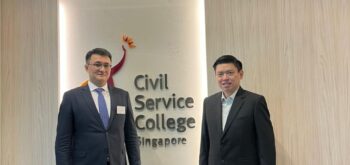
As part of the visit, the Rector of the Academy met with the Dean of the Civil Service College, Singapore (CSC). The meeting focused on opportunities for further cooperation in the training of civil servants, as well as the exchange of experience and best practices in public administration and public-sector capacity development.

View all
19
January
Kazakhstan Launches AI Governance Training Program for Civil Servants

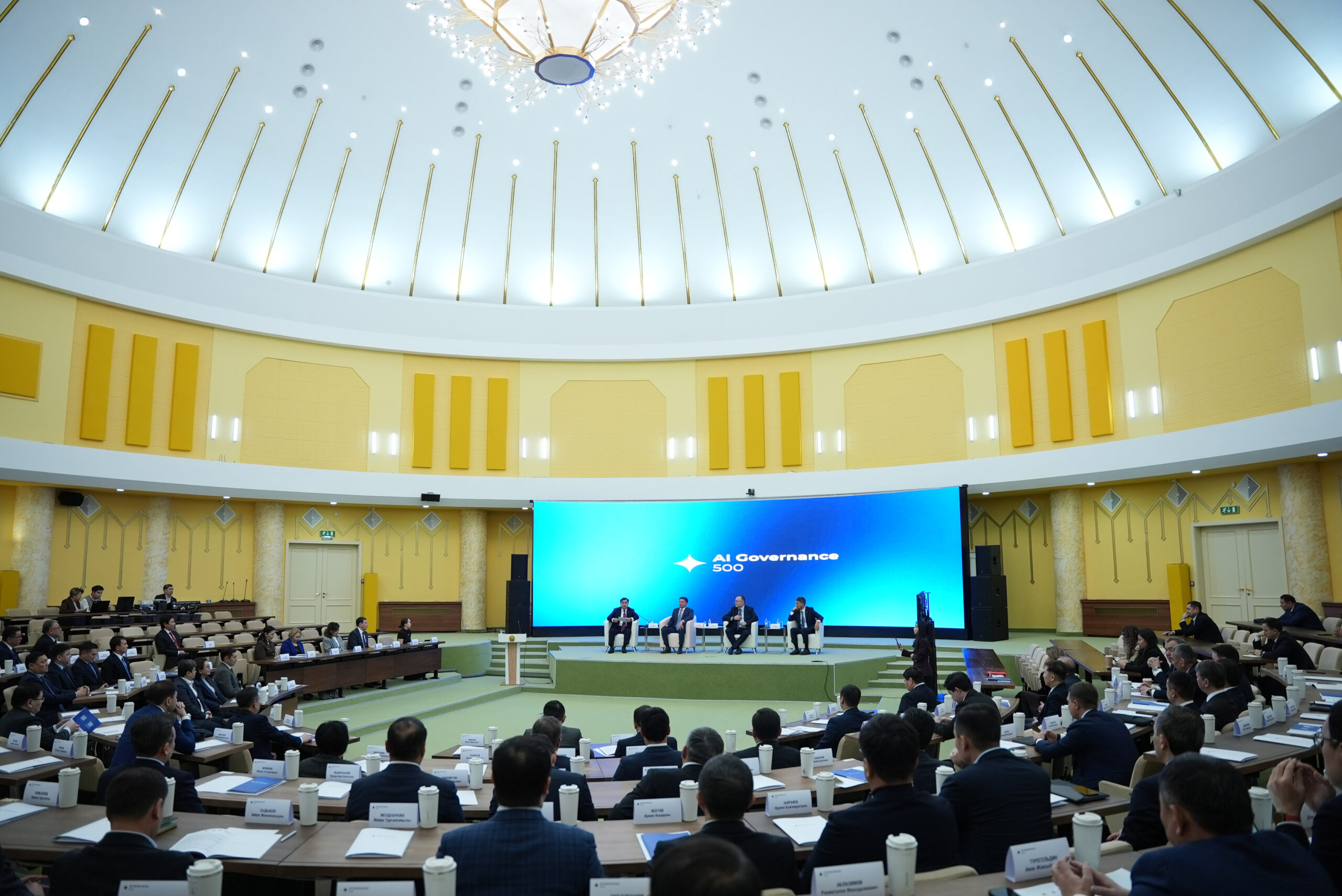
Today, the Academy of Public Administration under the President of the Republic of Kazakhstan launched the strategic training program AI Governance 500, aimed at preparing senior leaders to scale artificial intelligence in the public sector.

The program is being implemented at the instruction of the Head of the Presidential Administration of the Republic of Kazakhstan by the Agency for Civil Service Affairs of the Republic of Kazakhstan, in cooperation with the Ministry of Digital Development, Innovations and Aerospace Industry.

The first cohort of the program, consisting of 100 senior officials, was officially opened by Deputy Prime Minister and Minister of Digital Development, Innovations and Aerospace Industry Zhaslan Madiyev, Presidential Aide Kuanyshbek Yessekeyev, Chairman of the Agency for Civil Service Affairs Darkhan Zhazykbay, and Head of the Secretariat of the Head of the Presidential Administration Kanysh Tuleushin.

AI Governance 500 is designed to create a sustainable talent pool of digital leaders (AI officers) capable of initiating and overseeing cross-agency digital projects, ensuring architectural coherence, and achieving the strategic objectives of the national agenda within the framework of the Digital Kazakhstan concept.

Participants in the program include heads of structural divisions of the Presidential Administration and the Government Office, sectoral vice ministers, deputy akims of regions, chiefs of staff of central government bodies, and leaders of local executive authorities.

The program follows a comprehensive learning pathway from building a strategic understanding of the role of AI and the architecture of the digital state to developing applied digital transformation and AI initiatives that are ready for implementation at the ministerial and regional levels.

It is worth noting that the Head of State has declared 2026 the Year of Digitalization and Artificial Intelligence, underscoring the importance of systematic capacity building for personnel involved in the digital transformation of public administration.

View all
06
January
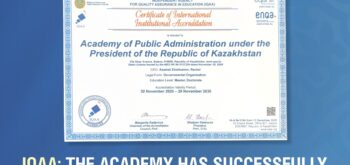
INTERNATIONAL INSTITUTIONAL ACCREDITATION INDEPENDENT AGENCY FOR QUALITY ASSURANCE IN EDUCATION

On December 13, 2025, by the decision of the Accreditation Council of the Independent Agency for Quality Assurance in Education (IQAA), the Academy successfully completed the institutional accreditation procedure for a period of five years.

Certificate validity period: November 30, 2025 – November 29, 2030.

IQAA is the first Kazakhstani non-profit, non-governmental organization operating in the field of quality assurance of educational institutions and academic programs.

The primary objective of the Academy in undergoing institutional accreditation was to confirm compliance with the international ESG quality standards, as the IQAA accreditation standards are developed in accordance with the Standards and Guidelines for Quality Assurance in the European Higher Education Area (ESG) and are intended to support internal quality assurance systems within higher education institutions.

International recognition of quality enables the development of cooperation between university programs in relevant fields, including the expansion of academic mobility for both students and faculty, the development of joint educational programs, the organization of dual-degree programs, and the implementation of joint research projects, among other initiatives.

View all
31
December
“Public Administration and Civil Service” No. 4 (95), 2025

The final issue of the journal for 2025 is devoted to pressing issues of public administration, economics, and international relations in the context of global transformations. The studies presented address challenges related to institutional trust, the effectiveness of the civil service, government communication, as well as the implementation of digital and intelligent technologies in public governance systems.

Considerable attention is given to economic development issues, including structural transformations, the digitalization of public administration, financing of public–private partnership projects, social mobility, and sustainable resource management. The authors analyze both the national experience of the Republic of Kazakhstan and international best practices.

The section on international relations covers topics such as strategic partnerships, energy diplomacy, the formation of national identity under globalization, the development of transport and logistics potential, cybersecurity, and climate law. The publications reflect current regional and global trends and are of interest to researchers, practitioners, and all those studying issues of state and societal development.

The editorial board congratulates readers and authors on the upcoming New Year and invites them to further cooperation, new publications, and continued scholarly dialogue.

View all
04
December
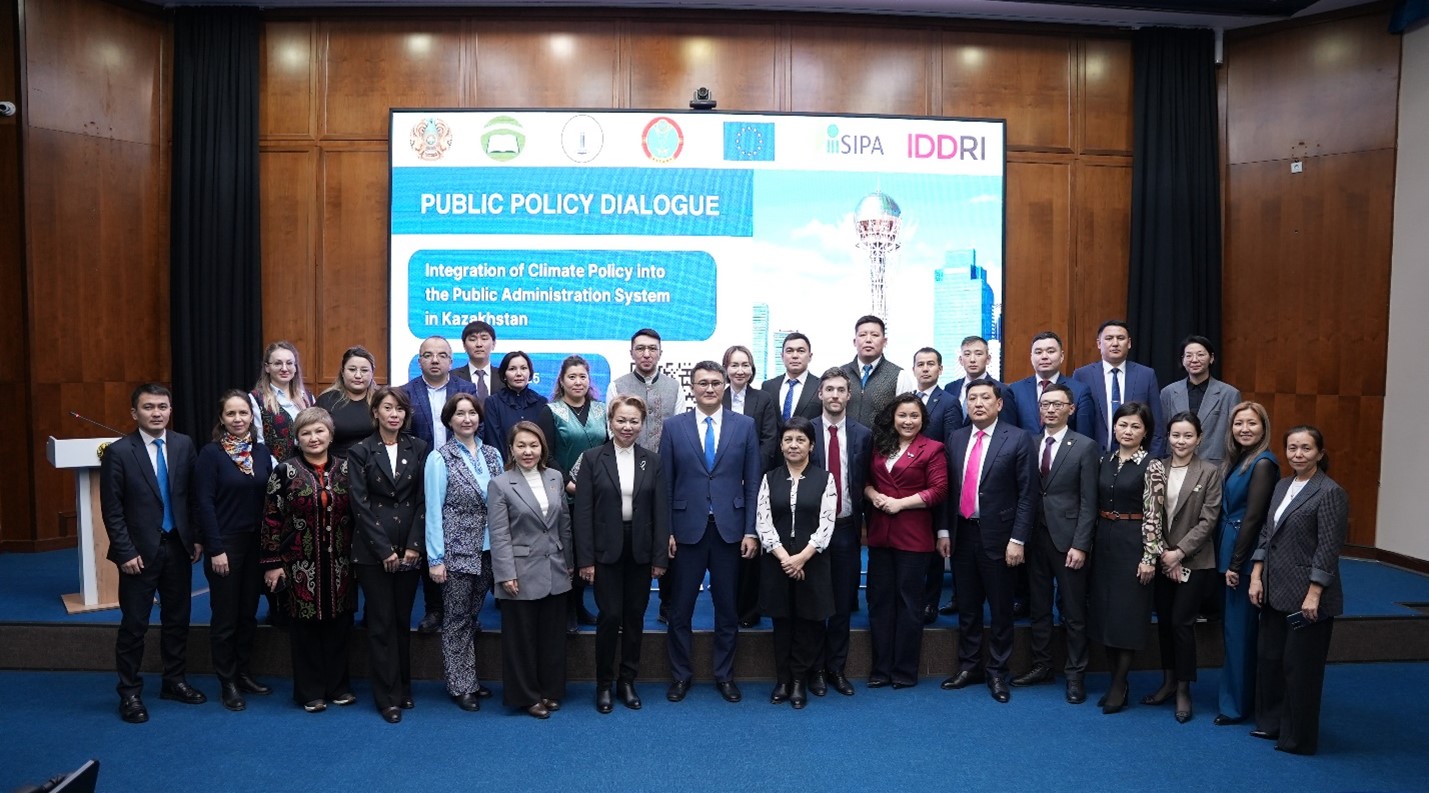
Integrating Climate Policy into Kazakhstan’s Public Governance System

A public and political dialogue titled “Integrating Climate Policy into Kazakhstan’s Public Governance System” was held at the Academy. The event was organized by the Scientific and Educational Center Green Academy in cooperation with the Ministry of Ecology and Natural Resources of the Republic of Kazakhstan, with the support of the Astana Department of Environmental Protection and Natural Resource Management, the FAO project, and SIPA/IDDRI (France).

The purpose of the event was to discuss the outcomes of the Conference of the Parties to the UN Framework Convention on Climate Change (COP30), held in Belém, Brazil, as well as to develop recommendations on integrating climate policy principles into the strategic planning and public administration system of the Republic of Kazakhstan.

The event brought together representatives of government bodies, members of parliament, representatives of civil society organizations, as well as master’s and doctoral students of the Academy of Public Administration under the President of the Republic of Kazakhstan.

Participants emphasized the importance of strengthening cooperation among government institutions, the private sector, and international organizations to effectively implement the strategy for achieving carbon neutrality by 2060. The recommendations developed during the dialogue (by Lyudmila Petrova, Director of the NGO Angel) will be submitted to the Government of the Republic of Kazakhstan. Proposals are accepted until 10 December 2025.

View all
21
November
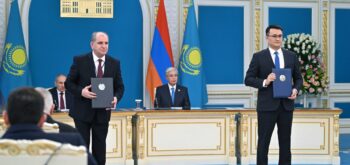
A Cooperation Agreement was signed at the Akorda between the Academy of Public Administration under the President of the Republic of Kazakhstan and the Diplomatic School of the Ministry of Foreign Affairs of the Republic of Armenia

Today, at the Akorda, the Academy of Public Administration under the President of the Republic of Kazakhstan and the Diplomatic School of the Ministry of Foreign Affairs of the Republic of Armenia signed a Cooperation Agreement.

The agreement is aimed at developing and strengthening collaboration in the training and professional development of diplomatic personnel, as well as promoting joint educational and research projects in the areas of foreign policy, international relations, international law, and international economics.

Within the framework of cooperation, the parties will exchange educational materials and scientific publications, support the professional development of faculty, and facilitate participation in conferences and roundtable discussions. In addition, joint research initiatives and educational programs are planned for implementation.

View all
17
November
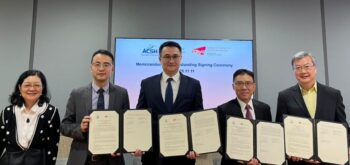
Academy Delegation Participates in the “Urban Governance and Innovation Conference” in Hong Kong

A delegation from the Academy of Public Administration under the President of the Republic of Kazakhstan participated in the International Urban Governance and Innovation Conference, dedicated to issues of urban governance, innovation, and interregional cooperation. The event brought together representatives of government agencies, international and private organizations, as well as leading scholars and practitioners from Hong Kong, China, Indonesia, Thailand, Georgia, and Spain.

The conference aimed to advance the theory and practice of urban governance and innovation through thematic case studies, analytical discussions, and the exchange of experiences between academics and practitioners. One of the key objectives of the forum was to strengthen the capacity of specialists in the field of public and urban governance.

Rector of the Academy, Mr. Azamat Zholmanov, delivered a presentation at the thematic session “Public Administration Transformation in Central Asia and the Caucasus: Challenges, Innovations and Regional Collaboration”, where he highlighted current trends in the transformation of public administration in Kazakhstan and emphasized the Academy’s role in professional training, capacity building, and continuous learning for civil servants.

During the forum, a memorandum of cooperation was signed between the Academy and the City University of Hong Kong. The document outlines plans for the development of academic exchange, scientific collaboration, and the implementation of joint educational and research programs.

View all
13
November
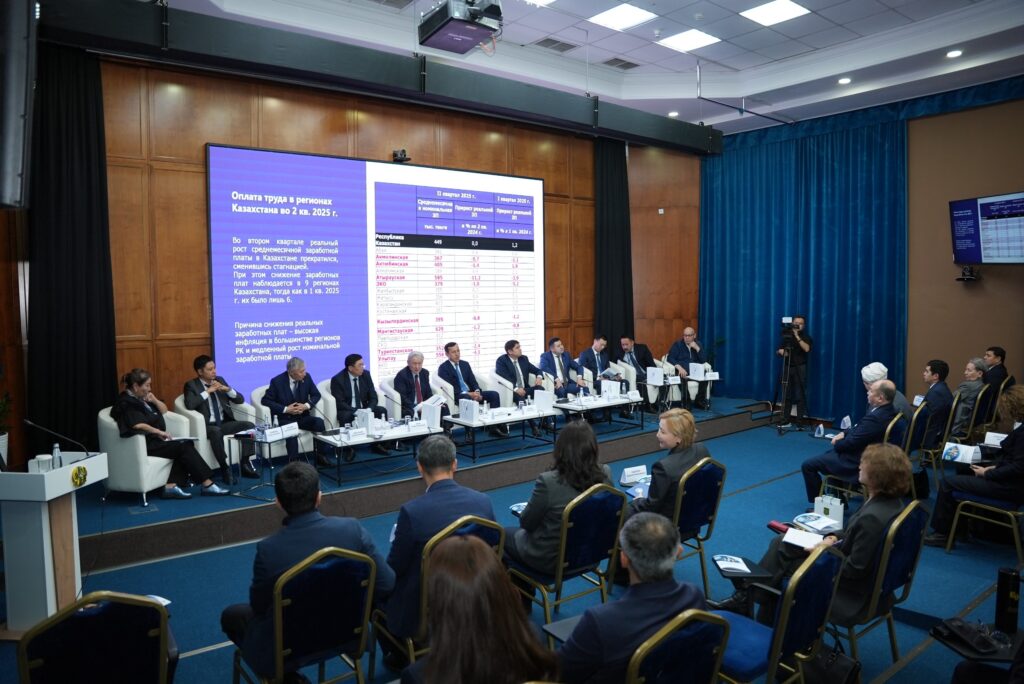
Approaches to Kazakhstan’s Fiscal and Monetary Policy Discussed at the Academy of Public Administration

On November 13, 2025, the Academy of Public Administration under the President of the Republic of Kazakhstan hosted a roundtable discussion titled “New Approaches to the Fiscal and Monetary Policy of the Republic of Kazakhstan,” dedicated to the Day of the Financier. The event was held on the platform of the “Economist+” discussion club in an expert-session format.

During the discussion, participants reviewed modern approaches to the development and implementation of fiscal and monetary policy, as well as ways to improve the coordination of financial, tax-budget, and monetary sectors. Experts emphasized that effective coordination of economic policy is essential for stabilizing inflation, preventing economic stagnation, and ensuring sustainable growth.

The roundtable brought together representatives of central and local executive bodies, the expert and academic community, as well as master’s and doctoral students of the Academy.

Speakers included: Zhaksybek Kulekeev, Chairman of the Board of Directors of L.N. Gumilyov Eurasian National University, Ayzamat Amrin, First Vice Minister of National Economy of the Republic of Kazakhstan, Yerzhan Birzhanov, Vice Minister of Finance of the Republic of Kazakhstan, Rustem Orazalin, Director of the Monetary Policy Department of the National Bank of Kazakhstan, Nurlan Katrenov, Director of the Analysis and Reporting Department of the Higher Audit Chamber, Rasul Rysmambetov, financial analyst, Serik Zhumabaev, Professor at Astana International University
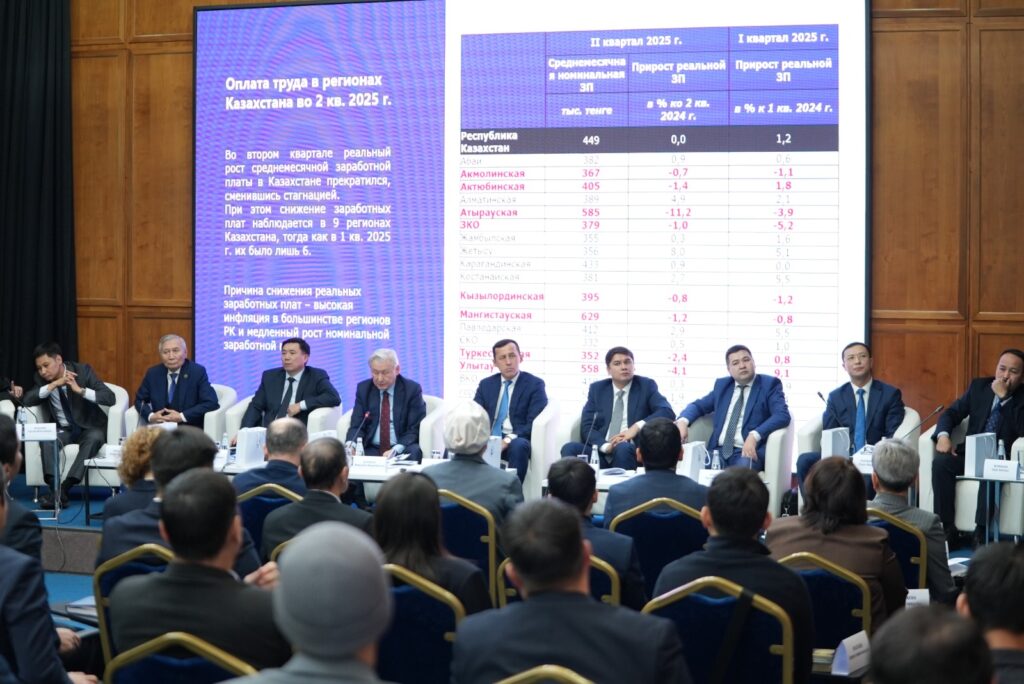


Speakers highlighted the importance of professional dialogue and expert evaluation in improving state economic policy. Key topics discussed included the assessment of fiscal burden, inflationary risks, and the efficiency of budget expenditures.

According to First Vice Minister of National Economy Ayzamat Amrin, a new Budget Code was signed in March of this year. Prior to its development, the 2008 Budget Code was evaluated for compliance with International Monetary Fund standards.

“The recommendations of international experts formed the basis of the updated Budget Code. Its provisions have already been applied in the formation of the 2026–2028 national budget and the development of the ten-year forecast. For the first time, expenditure growth rates are strictly tied to economic potential and the target inflation level: under the new budget rules, they will amount to 108.7% in 2026, 109.1% in 2027, and 109.3% in 2028, compared to 121% prior to the reform. The guaranteed transfer from the National Fund is fixed at 2.77 trillion tenge annually for 2026–2028, and the use of targeted transfers is not envisaged,” noted Amrin.

The event served as a platform for exchanging analytical insights and strengthening cooperation among government bodies, researchers, and the educational sector.
View all
11
November
Академияның диссертациялық кеңесінде докторант Нұргүл Қарағойшина докторлық диссертациясын сәтті қорғады

At the Dissertation Council of the Academy of Public Administration under the President of the Republic of Kazakhstan, PhD candidate Nurgul Karagoishina successfully defended her doctoral dissertation titled: “Enhancing the Professional Competencies of Civil Servants in the Context of Preventing and Managing Social Conflicts in the Republic of Kazakhstan.”

The research proposes a framework of competencies essential for the prevention and effective management of social conflicts. Based on the analysis of practical cases and survey results among civil servants, the dissertation presents key findings and practical recommendations.

Among the studied cases, the “Aktobe Desant” pilot project is described as a successful model of public administration. The dissertation also examines the competencies demonstrated by civil servants in crisis and conflict situations.

The study aligns with the document approved by the Head of State on November 5, 2025, which outlines the key principles, values, and directions of Kazakhstan’s domestic policy. It emphasizes that building constructive dialogue between the state and society contributes to strengthening national cohesion.

Experts noted that the dissertation was conducted in line with the principles of a “Listening State” and “Honest Citizen”, representing a significant contribution to the development of the civil service system.

View all
07
November
Senator Nuriya Niyazova delivered a lecture at the Academy of Public Administration on key amendments to the Tax Code

Senator of the Parliament of the Republic of Kazakhstan Nuriya Niyazova delivered a lecture as part of the “Development Day” (Damu Kúni) project – a series of events aimed at strengthening the professional and personal competencies of the staff, master’s, and doctoral students of the Academy.

During the meeting, the senator presented a report on the key amendments to the Tax Code, which will take effect on January 1, 2026. She elaborated on the adjustments to corporate and individual income tax rates, optimization of special tax regimes, and measures to improve tax administration.

According to Nuriya Niyazova, the goal of the adopted amendments is to simplify the tax system, reduce the administrative burden on businesses, and create favorable conditions for sustainable economic growth.

“The development of an effective tax policy directly influences entrepreneurship, investment activity, and the quality of life of citizens. It is important that the new Code maintains its focus on supporting socially significant sectors and the real economy,” – emphasized the senator.

The “Development Day” project also aims to foster a culture of open discussion within the academic community, encourage student participation in expert dialogue, and strengthen cooperation between public and governmental institutions. Participants noted the practical value of the meeting and the opportunity for direct dialogue with a representative of the legislative branch.


View all
06
November
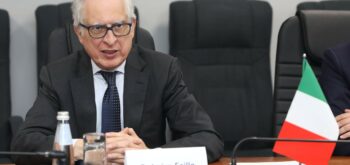
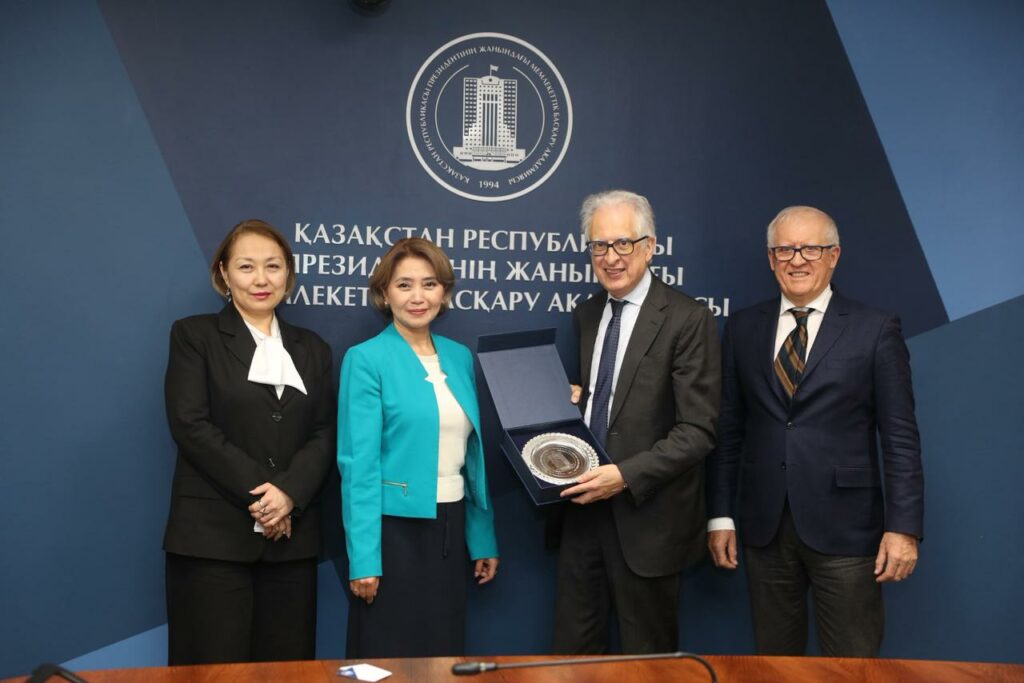
The Academy welcomed an official Italian delegation for a working meeting

The Academy of Public Administration under the President of the Republic of Kazakhstan hosted a meeting with Federico Failla, Ambassador at Large of the Italian Ministry of Foreign Affairs and Coordinator of the “Central Asia + Italy” format, Antonio Marcomini, Vice-Rector of Ca’ Foscari University, and Aniello Petito, Deputy Ambassador of Italy to Kazakhstan.

The visit of the Italian delegation took place within the framework of the “Central Asia + Italy” Dialogue (5+1 format). In line with the decisions of the First Summit, a Roadmap for 2025–2026 was approved. This document outlines strategic areas of cooperation, including support for the green transition, development of joint policies on climate change and water dialogue, as well as capacity building in healthcare, education, and professional training across the countries of Central Asia.

During the meeting, the parties emphasized the importance of developing a network for the exchange of ideas and expertise between Italy and the countries of the region in key economic sectors — addressing emerging challenges related to climate change, water resource management, and strengthening ties between universities and research institutions.

The participants exchanged information about their respective organizations and discussed prospects for further cooperation within this platform.


View all
31
October
The republican conference “National Values: Cognition. Legacy. Honest Citizen” was held in Almaty

On October 31, in the city of Almaty, a republican scientific and practical conference “National Values: Cognition. Legacy. Honest Citizen” took place, jointly organized by the Academy of Public Administration under the President of the Republic of Kazakhstan, the Academy of National Values, and Al-Farabi Kazakh National University.

The goal of the conference was to discuss ways to ensure the integrity of education and upbringing based on national values in the context of opportunities and risks of the digital society, to share best practices, and to consider the relevance of the principles of an honest citizen.

Among the conference participants were members of Parliament, members of the National Kurultai, representatives of the “Amanat” party, authorized bodies in the fields of science, education, and culture, academic and research centers, regional education departments and methodological centers, scholars, university professors, teachers, doctoral and master’s students, Maslikhat deputies, representatives of public organizations, publishing houses, and textbook developers.

As part of the conference, Elmira Orazaliyeva, Vice-Rector for Academic Affairs of the Academy of Public Administration under the President of the Republic of Kazakhstan, delivered a plenary presentation titled “Honest Citizen: Values of Personal Development.”

The main discussion points were structured around the renewal of the “Honest Citizen” principles within the current state-level content framework, emphasizing their connection with personality studies and the historical-cognitive aspect, as well as addressing the tasks of educating the modern generation in accordance with the target indicators of the education system.

In conclusion, the concept of an was defined as a combination of subjective personal qualities, harmony of patriotic feelings, integrity, and civic identity, as well as a set of moral-legal, cultural-cognitive, and political values.


View all

Your browser does not support SVGs