
On March 18, 2026, deputies of the Mazhilis of the Parliament of Kazakhstan reviewed and approved in the first reading the draft Law “On Civil Service of the Republic of Kazakhstan.” The document предусматривает modernization of the civil service model and is aimed at improving the efficiency of the state apparatus.
The draft law was developed within the framework of implementing the Concept for the Development of Civil Service for 2024–2029, approved by Presidential Decree No. 602 dated July 17, 2024.
One of the key objectives of the new version of the Law is to formalize the mission of the civil service, transition to a service-oriented model of interaction with citizens, as well as further professionalization of the state apparatus and digitalization of HR processes.
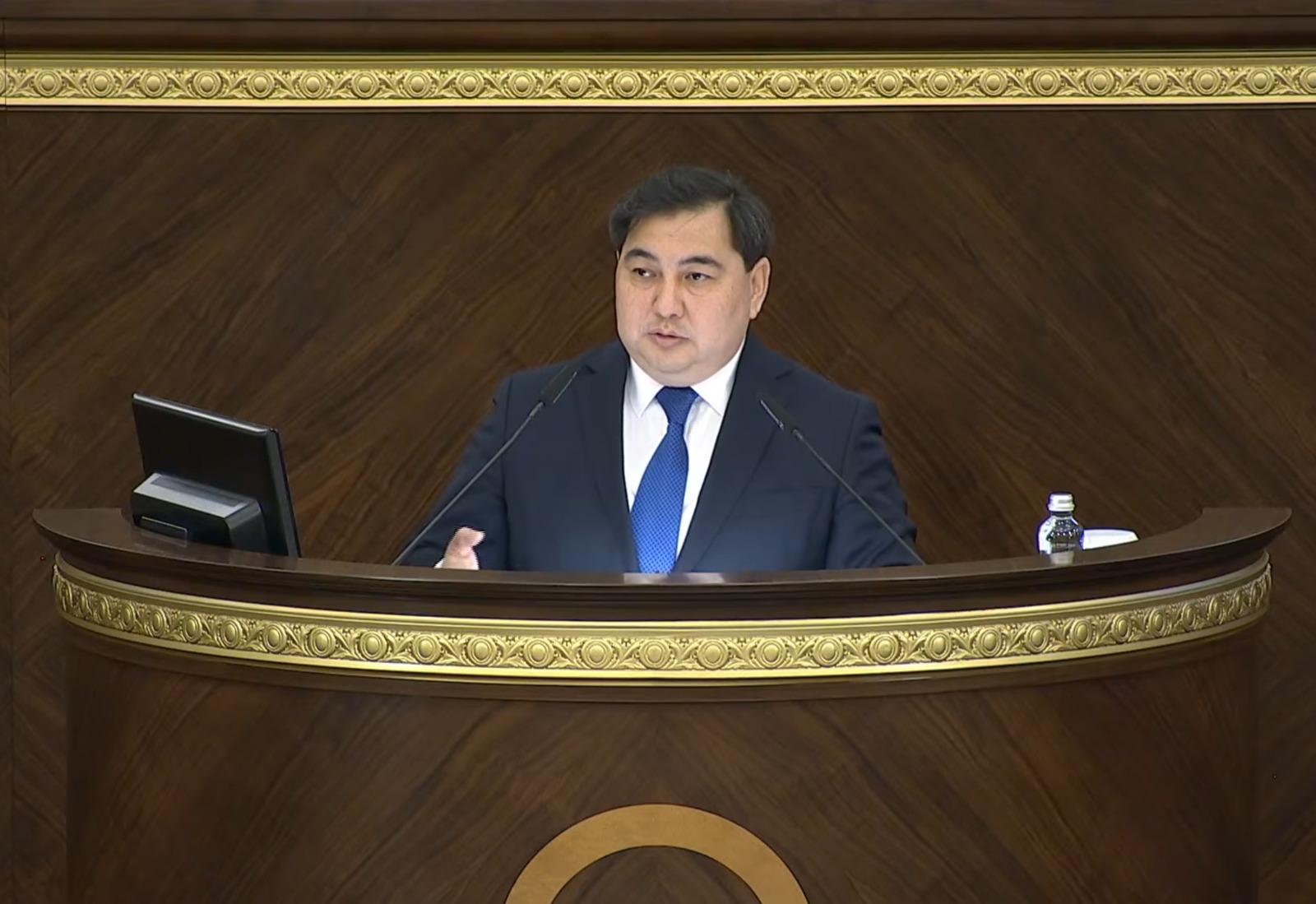
“The draft law provides for the implementation of a client-oriented model of behavior for civil servants. At the legislative level, requirements are established for effective interaction with citizens and organizations. In particular, civil servants will be required to provide applicants with complete and comprehensive responses within the established timeframe. At the same time, the possibility of refusing to consider applications on formal grounds will be eliminated,” said Chairman of the Agency for Civil Service Affairs, Darkhan Zhazykbay.
Citizens will also be given the opportunity to correct errors, inaccuracies, or inconsistencies in submitted documents.
To attract young and talented professionals, the draft law provides for the introduction of a preparatory institute for entry into civil service. University students will be able to undergo early professional orientation alongside their bachelor’s studies. Upon graduation, they will be required to serve in the civil service for at least three years.
One of the key innovations will be the transition to a fully digital recruitment process for civil service positions. Candidate selection will be carried out through the integrated information system “E-kyzmet,” which will enhance transparency and objectivity in competitive procedures.
To increase the attractiveness of civil service and retain qualified personnel, the draft law introduces a horizontal career advancement mechanism. Multiple salary levels will be established within a single position, with progression depending on performance evaluation results.
The document also provides for expansion of social guarantees for civil servants. In particular, it includes compensation for overtime work, as well as work on weekends and public holidays, additional paid leave based on years of service, and short-term leave for significant life events such as marriage, childbirth, or the death of close relatives.
In addition, compensation payments are provided for civil servants reinstated after unlawful dismissal or demotion.
The draft law introduces more flexible approaches to disciplinary responsibility. When reviewing disciplinary cases, both mitigating and aggravating circumstances will be taken into account. It is expected that this approach will protect civil servants from unjustified penalties while encouraging initiative.
According to the developers, the implementation of these provisions will enhance the effectiveness of the civil service system and strengthen public trust in state institutions.